

Smart Spending · Sunshine Coast & Brisbane
Security Screens on a Budget: You Don’t Need Premium on Every Window
Protect the openings a burglar would actually try, use cheaper screens everywhere else, and keep the total spend sensible. Here’s how to plan it room by room.
The Short Version
The Quick Answer
You do not need a premium AS 5039 security screen on every door and window. The smartest, most affordable approach is to fit genuine security screens only on high-risk openings — entry doors and accessible ground-floor windows — and use barrier screens or flyscreens on everything that’s harder to reach.
Done well, this protects the openings that matter and keeps your quote well below “premium everywhere” — without leaving a soft spot for someone to find.
01 / Think Like an Intruder
Not All Entry Points Are Equal
The most common mistake is treating every opening the same. Burglars don’t — they go for the easiest, least visible way in and leave within minutes. Match your spend to how each opening would actually be attacked.
Higher-risk openings
Front entry door. Back and side doors. Ground-floor windows facing the street, a driveway or a path. Any door or window reachable from a shared fence, carport or laneway. Sliding doors onto a ground-level patio. These are what gets tested first.
Lower-risk openings
Upper-floor windows. Balcony doors above ground level. Internal courtyard windows. Side windows boxed in by a close fence with no room to work. Rarely targeted because they’re visible, awkward, or both.

02 / The Strategy
The Smart-Mix Approach
Three tiers of screen, each doing the job it’s built for. Put the money into tier one, spread tier two across the rest, and only screen for insects where that’s all you need.
Tier 1 — Security
AS 5039 Security Screens
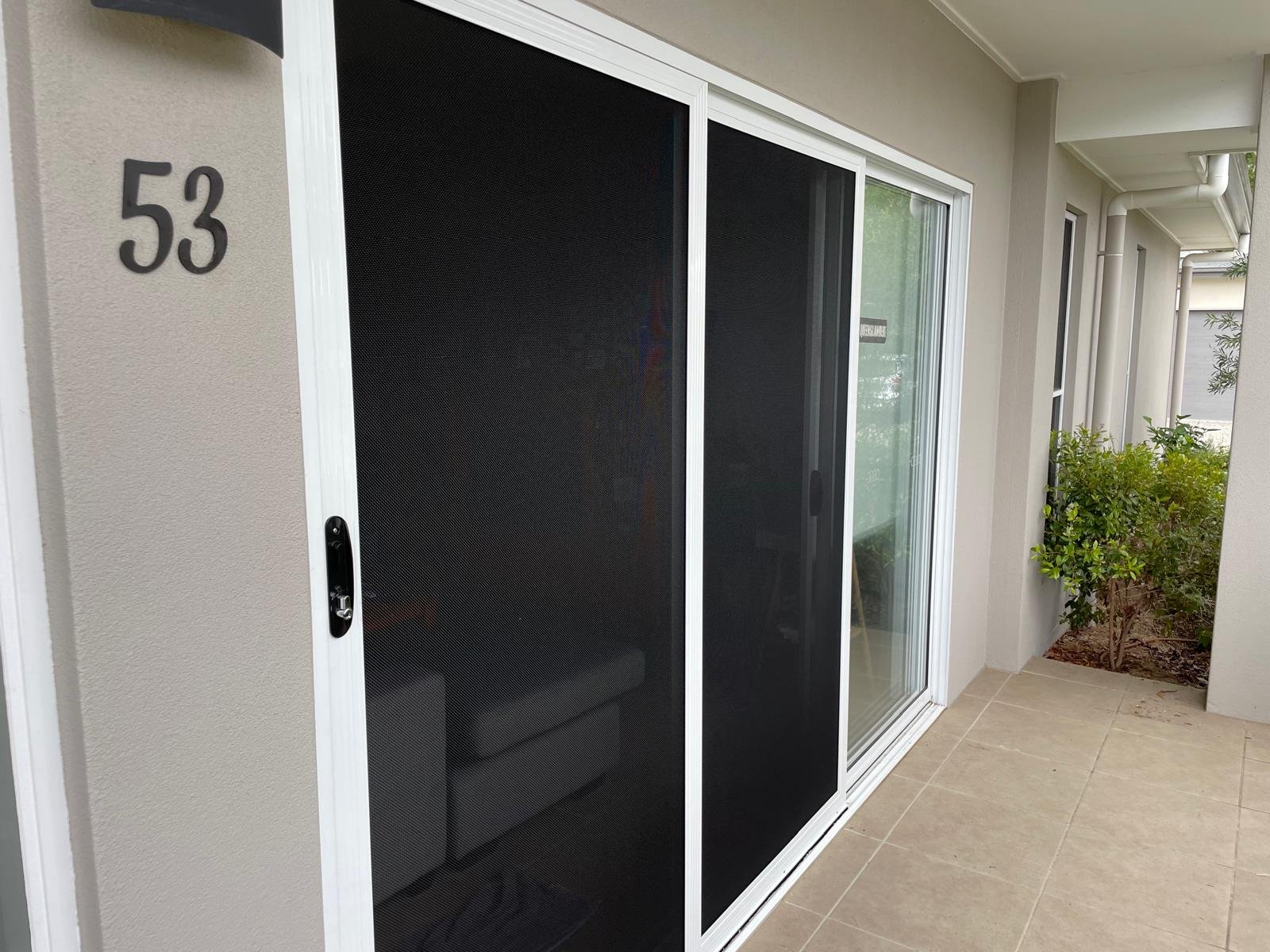
Where: entry doors, accessible ground-floor windows.
316 marine-grade stainless or perforated aluminium mesh, tested to AS 5039. Genuine forced-entry resistance where it counts.
Tier 2 — Barrier
Diamond Grille & Barrier Screens
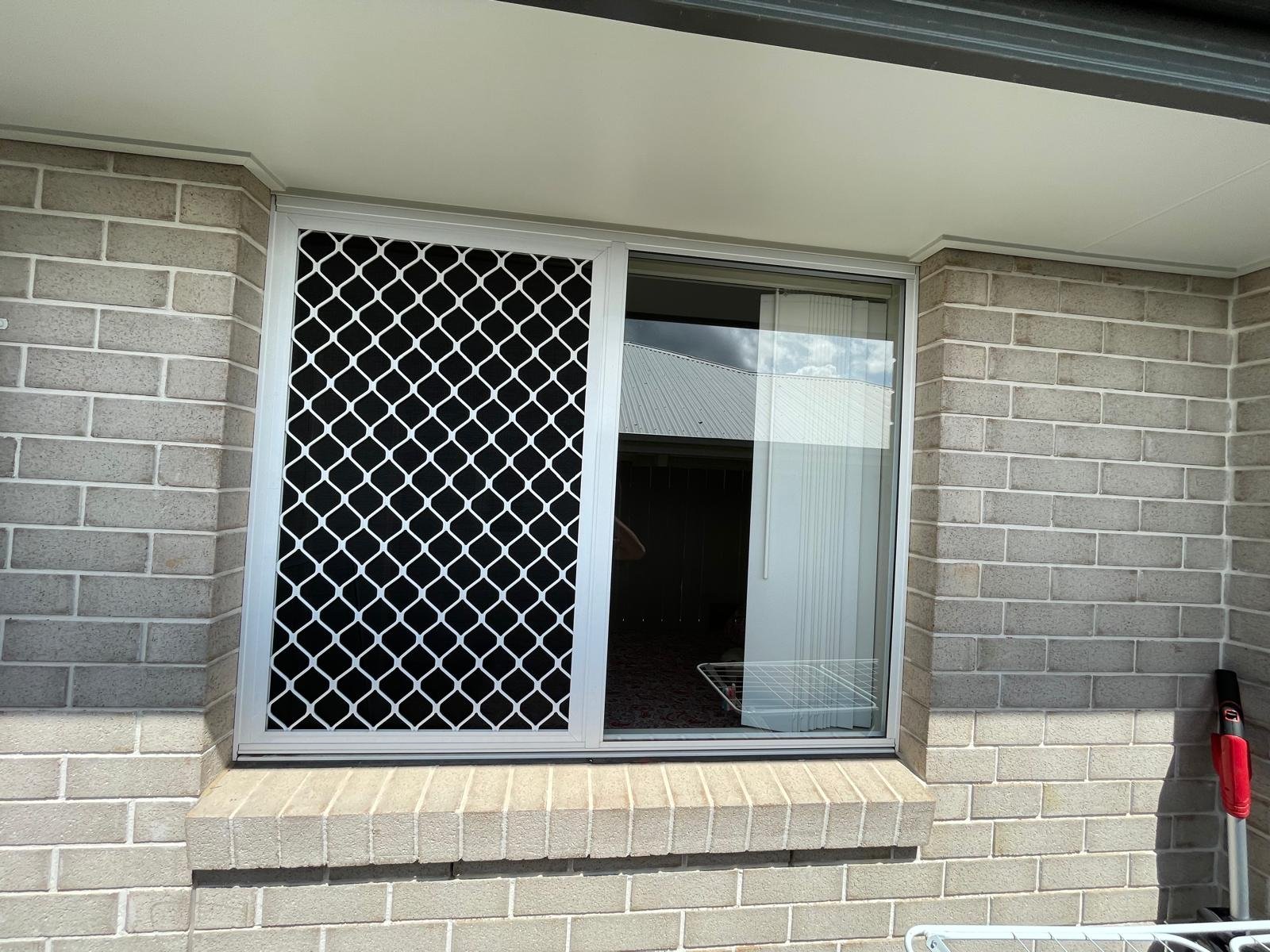
Where: balconies, upper-floor and side windows.
A 7mm aluminium grille — visual deterrent and insect protection at a lower price. Not AS 5039, so not for main entries.
Tier 3 — Insect
Flyscreens & Retractables
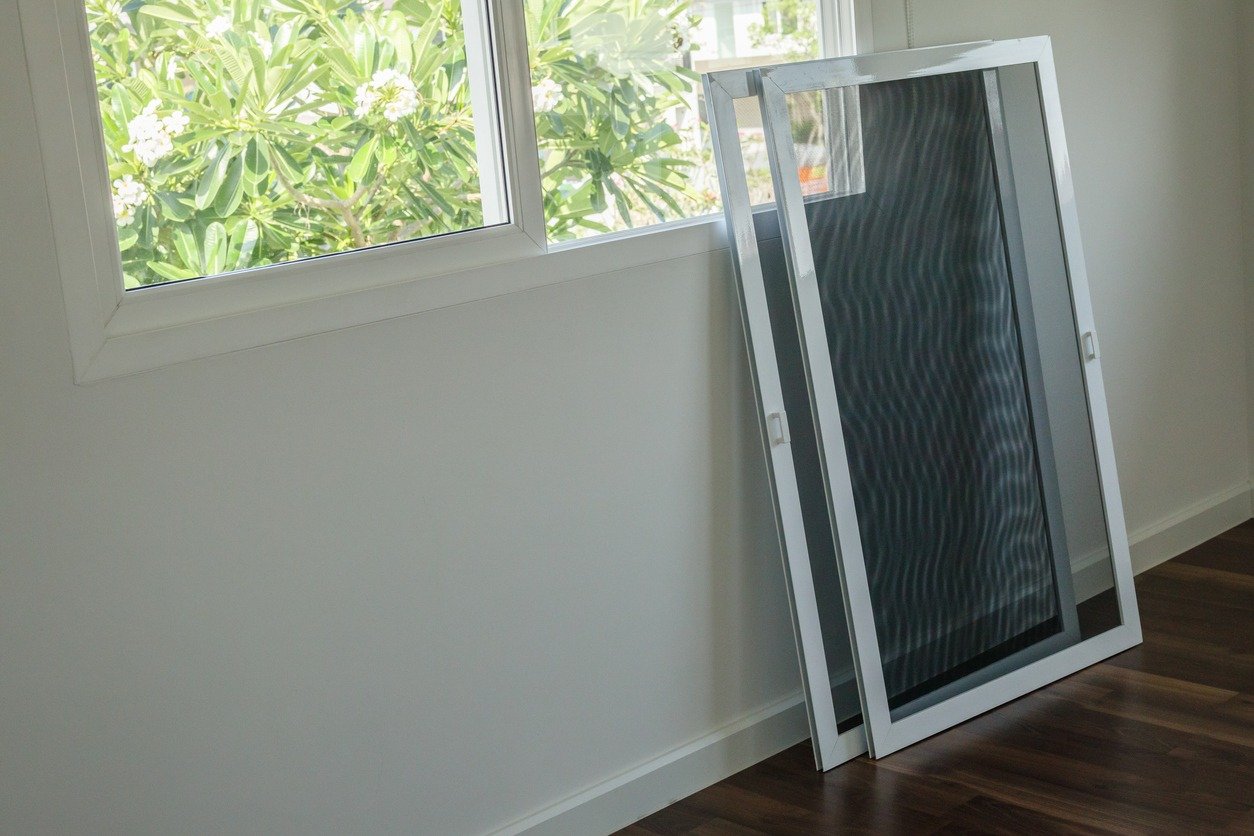
Where: low-risk upper-floor windows, airflow-only openings.
Keeps bugs out and air moving. No security value — use only where nothing needs protecting.
Not sure which tier an opening falls into? That’s exactly what we work out at the free measure — no pressure, no over-selling.
03 / The Plan
What to Put Where
| Opening | Recommended screen | Why |
|---|---|---|
| Front entry door | Security screen (AS 5039) | First place tested; needs a certified lock and mesh |
| Back / side door | Security screen (AS 5039) | Out of street view — a favourite entry point |
| Ground-floor windows to street or path | Security screen (AS 5039) | Accessible and often left unlatched |
| Ground-floor patio / sliding doors | Security screen (AS 5039) | Large, ground-level, easy to force without one |
| Windows near a shared fence or carport | Security screen (AS 5039) | Cover and a leg-up make these worth protecting |
| Upper-floor windows | Barrier screen or flyscreen | Hard to reach; deterrent and insects are enough |
| Balcony doors above ground level | Barrier screen | Visible and elevated — lower risk |
| Boxed-in side windows | Flyscreen | No access to work — insect screen only |
A guide, not a rule. Every home’s layout, street visibility and fencing is different — we confirm each opening on site.
04 / Where the Money Goes
Why the Mix Costs Less
Screening a whole house in premium security screens means paying security prices for openings that were never at risk. The smart-mix approach puts your budget where a break-in would actually happen and uses lower-cost screens for the rest — so the quote reflects your home’s real risk, not a one-size price list.
Because every screen is custom-made to our on-site measurements, there’s no set menu. What changes the price is the number of security-rated openings, the mesh you choose, doors versus windows, and access — which is why we measure and quote for free before you commit to anything.
Straight Answers
Budget Security Screens — FAQ
Do I really need security screens on every window?
No. Most homes only need genuine AS 5039 security screens on entry doors and accessible ground-floor windows. Upper-floor windows, balcony doors and boxed-in side windows are low risk, so a barrier screen or flyscreen is enough there. Matching the screen to the risk is what keeps the cost down.
Are flyscreens enough for security?
No. Flyscreens are built to keep insects out, not people. They’re fine for upper-floor and low-risk windows, but they should never be relied on for a front door, back door or ground-floor window — those need a screen tested to AS 5039.
Can I mix different types of screens on one house?
Yes — and it’s the smartest way to spend. Fit security screens on the high-risk openings, then use diamond grille or flyscreens on everything that’s hard to reach. We recommend the mix opening-by-opening at your free measure and quote.
Is it cheaper to do all the screens at once or a few at a time?
Doing several openings in one visit usually works out better per screen than spacing the job out, because it’s a single measure, order and install. If budget means staging it, start with the front and back doors, then the accessible ground-floor windows.
Will a cheaper screen still meet Australian Standards?
Only if it’s actually tested to AS 5039 — and perforated aluminium security screens can be, at a lower price than stainless. “Cheap” becomes a problem when a barrier or insect screen is sold as security. Always ask to see the AS 5039 certification for anything going on a door or ground-floor window.
Why Homeowners Choose Slideit
Honest Recommendations, Not the Biggest Invoice
We assess every home individually so you only pay for protection where it actually matters. Owner-operated across the Sunshine Coast, Moreton Bay and Brisbane, we come to you, bring the samples and measure every opening — then tell you straight which ones need a security screen and which don’t.
- Local & owner-operatedSunshine Coast & Brisbane
- Manufacturer warrantyUp to 15 years
- Workmanship guarantee6 months
- Public liability insurance$20 million
- Measure & quoteFree, no pressure
Free Measure & Quote
Secure Your Home the Smart Way
— The Right Screens in the Right Places.
Mon–Fri, 7:30am–4:00pm · Free advice, no pressure sales